


Forest Bathing in the US: Forest Bathing Explained - A Complete Guide

Imagine stepping into a quiet forest, the soft rustle of leaves underfoot, the gentle whisper of the wind through the trees, and the fresh, earthy scent filling your lungs. You slow down, breathe deeply, and simply be. This is the essence of forest bathing, a practice that invites you to reconnect with nature and yourself in the most soothing way. If you’ve ever wondered how to bring more calm and clarity into your life, forest bathing might be the gentle path you’ve been seeking.
Forest Bathing Explained: What It Is and Why It Matters
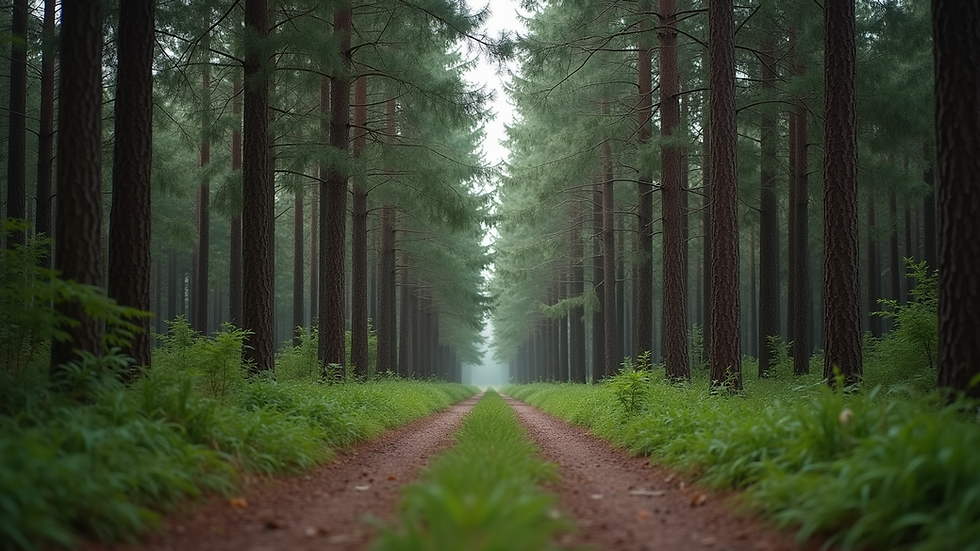
Forest bathing, or shinrin-yoku as it originated in Japan, means immersing yourself in the atmosphere of the forest. It’s not about hiking or exercise, but about slowing down and opening your senses to the natural world around you. Have you ever noticed how a walk in the woods can leave you feeling refreshed and peaceful? That’s the magic of forest bathing.
The practice encourages you to engage all your senses: the sight of dappled sunlight through leaves, the sound of birdsong, the texture of bark beneath your fingertips, the scent of pine or damp earth, and even the taste of fresh air. This mindful connection to nature has been shown to reduce stress, lower blood pressure, and boost mood. It’s a gentle, accessible way to nurture your well-being.
In the US, forest bathing is gaining popularity as more people seek holistic ways to manage stress and find balance. Whether you live near a sprawling national park or a small urban green space, you can experience the benefits of this practice. If you want to explore further, a forest bathing guide us can help you find local guides and resources to deepen your experience.
How to Practice Forest Bathing: Simple Steps to Begin
You don’t need special equipment or training to start forest bathing. The key is to slow down and be present. Here’s a gentle guide to help you begin:
Choose Your Spot
Find a natural area that feels inviting. It could be a forest, a park, or even a garden with plenty of trees and plants. The quieter, the better.
Leave Distractions Behind
Turn off your phone or put it on silent. This time is for you and the forest.
Arrive with an Open Heart
Take a few deep breaths and set an intention to be fully present. Let go of any agenda or expectations.
Engage Your Senses
Walk slowly and notice the colors, shapes, and textures around you. Listen to the sounds of nature. Touch the bark of a tree or the leaves. Breathe in the scents deeply.
Pause and Reflect
Find a comfortable spot to sit or stand quietly. Close your eyes if you like and simply absorb the atmosphere. Notice how your body feels.
Stay for a While
Spend at least 20 minutes, but longer if you can. The more time you give yourself, the deeper the relaxation.
End with Gratitude
Before you leave, thank the forest for its presence and the peace it has offered you.
By following these steps, you invite a gentle healing that can ripple through your day and beyond.
What is a Certified Forest Bathing Guide?
If you’re curious about deepening your forest bathing experience, you might wonder about the role of a certified forest bathing guide. These guides are trained professionals who lead groups or individuals through mindful nature walks, helping participants connect more fully with the environment and themselves.
A certified guide creates a safe, supportive space where you can explore your senses and emotions without pressure. They often incorporate storytelling, gentle movement, and reflective pauses to enrich the experience. Their expertise can be especially helpful if you’re new to forest bathing or want to explore it in a group setting.
In the US, certification programs emphasize knowledge of ecology, mindfulness techniques, and the therapeutic benefits of nature. Working with a guide can deepen your practice and introduce you to new ways of seeing and feeling the natural world.

Best Places for Forest Bathing in the US
The United States offers a stunning variety of landscapes perfect for forest bathing. Here are some of the most inviting spots where you can immerse yourself in nature’s embrace:
Shenandoah National Park, Virginia
With its rolling hills and dense hardwood forests, Shenandoah offers peaceful trails and abundant wildlife. The Skyline Drive provides easy access to quiet spots for reflection.
Redwood National and State Parks, California
Towering ancient redwoods create a cathedral-like atmosphere. The cool, misty air and soft forest floor invite deep calm.
Great Smoky Mountains National Park, Tennessee/North Carolina
Known for its rich biodiversity and mist-covered peaks, this park offers lush forests and gentle streams perfect for sensory exploration.
Olympic National Park, Washington
From temperate rainforests to alpine meadows, Olympic’s diverse ecosystems provide a rich tapestry for forest bathing.
Acadia National Park, Maine
Coastal forests and rocky shorelines combine to create a unique setting where you can breathe in both forest and ocean air.
When choosing a location, consider what environment feels most soothing to you. Sometimes, even a small urban forest or community garden can offer a restorative experience.
Integrating Forest Bathing into Your Wellness Routine
How can you make forest bathing a regular part of your life? The beauty of this practice is its flexibility and accessibility. Here are some ideas to help you weave it into your wellness routine:
Schedule Weekly Nature Time
Set aside a regular time each week to visit a nearby green space. Treat it as a sacred appointment with yourself.
Combine with Sound Therapy
After your forest bath, try a session of sound therapy to deepen relaxation. The gentle sounds of singing bowls or chimes can complement the natural calm you’ve cultivated.
Practice Mindful Breathing Outdoors
Use your forest time to focus on slow, deep breaths. This simple act can anchor you in the present moment.
Journal Your Experience
Bring a notebook and jot down thoughts, sensations, or insights that arise during your walk. Reflecting on these can enhance your connection to nature and yourself.
Invite Friends or Join a Group
Sharing the experience can foster connection and support. Look for local forest bathing groups or workshops.
By making forest bathing a habit, you create a nurturing rhythm that supports your mental, emotional, and physical health.
Embracing the Healing Power of Nature
In a world that often feels fast and overwhelming, forest bathing offers a gentle invitation to slow down and reconnect. It reminds us that healing and peace are found not in doing more, but in simply being present with the natural world.
If you’re ready to explore this path, remember that every forest, every tree, and every breath is waiting to welcome you. Whether you wander alone or with a guide, the forest holds a quiet wisdom that can soothe your soul and refresh your spirit.
May your journey into forest bathing bring you moments of stillness, joy, and deep well-being.


Comments